Matcha’s popularity has skyrocketed over the past decade, expanding from traditional Japanese tea ceremonies to global café culture and even home kitchens. Yet, the central question for many newcomers isn’t about preparation or health benefits—it’s taste. “What does matcha taste like?” isn’t just about curiosity; it’s about understanding a nuanced flavor spectrum that both intrigues and sometimes divides drinkers.
At its core, matcha is a type of finely ground powdered green tea, but the leaves, cultivation, and preparation methods all set it apart. From lattes and ice creams to culinary recipes, matcha’s distinctive taste shapes the overall experience. Exploring that taste, from its grassy brightness to its savory undertones, helps demystify why matcha inspires such devotion—and why its flavor can be polarizing to the uninitiated.
Key Tasting Notes of Matcha
Unlike most teas, matcha delivers its flavor in full: the entire leaf, stone-ground, whisked into a vibrant green froth. This unique preparation method amplifies both subtle and bold flavors.
Umami: The Defining Note
Umami, often described as a savory or brothy sensation, distinguishes high-grade matcha from everyday green teas. Cultivated under shade for several weeks before harvest, the leaves develop intensified amino acids, particularly L-theanine.
“The umami in ceremonial-grade matcha is both pronounced and delicate, offering a depth rarely found in other teas,” notes tea expert Eri Watanabe, who frequently conducts tasting workshops in Kyoto.
This umami note can remind seasoned drinkers of seaweed, steamed spinach, or even a mild broth—a complexity that underpins matcha’s character.
Grassy and Fresh
A core descriptor for matcha is “grassy,” but this isn’t akin to biting into raw grass. Instead, the flavor conveys a vegetal, fresh-bright sensation, sometimes compared to young peas, fresh wheatgrass, or baby greens. This vibrancy is especially pronounced in high-quality matcha and can be more subtle or astringent in culinary grades.
Bitterness and Sweetness
Bitterness is present in most matcha, but the degree differs depending on leaf quality and preparation. Ceremonial matcha often has a mild bitterness that integrates seamlessly with its sweetness and umami, while lower-quality matchas (or those prepared with overly hot water) can veer sharp and tannic.
A natural sweetness, meanwhile, becomes evident as the bitterness dissipates. The best matcha leaves a lingering sweet aftertaste—this balance is central to what makes matcha satisfying to sip slowly.
Creamy Texture
Unlike brewed teas, matcha’s full-bodied powder creates a creamy, velvety mouthfeel. This texture, enhanced by the traditional whisking technique, coats the tongue, prolonging the flavor experience long after the last sip.
Factors Influencing Matcha’s Taste
Beyond origin, a range of variables affects the final cup—some in subtle ways, others quite dramatically.
Matcha Grade and Cultivation
Matcha generally falls into two categories: ceremonial and culinary grades. Ceremonial-grade matcha, made from the youngest, tenderest leaves, showcases the smoothest, richest flavor with minimal bitterness. Culinary-grade matcha, often made from older leaves, features robust flavors ideal for lattes and baking, with a higher astringency and stronger bitterness.
Shade-growing is another crucial practice. By shielding tea bushes from direct sunlight weeks before harvest, growers increase chlorophyll and amino acid content, intensifying umami, sweetness, and the signature bright green color—attributes prized in premium matcha.
Preparation Methods
Water temperature, whisking technique, and even water type have profound impacts on taste:
- Water Temperature: Using water that’s too hot (above 80°C/176°F) can “burn” matcha, intensifying bitterness and muting umami. Cooler water brings out sweetness and subtlety.
- Whisking: Achieving a creamy, uniform froth with a bamboo whisk ensures even dispersion, enhancing both flavor and texture.
- Serving Style: Traditional “usucha” (thin tea) offers a balanced taste, while “koicha” (thick tea) intensifies umami and can be overwhelmingly strong for new drinkers.
In modern applications—like matcha lattes—milk adds sweetness and softens bitterness, creating a gentler introduction to matcha’s natural profile.
Real-World Taste Comparisons
Describing matcha sometimes means comparing it to flavors people may know:
- Seaweed: Many find a subtle oceanic note reminiscent of nori, especially in high-quality matcha.
- Spinach or leafy greens: The vegetal, savory profile often evokes memories of steamed greens.
- Dark chocolate: Particularly in premium matcha, the bittersweet interplay can remind drinkers of chocolate’s complexity.
- Nutty undertones: Some varieties offer hints of roasted nuts, adding further depth.
These comparisons help demystify matcha for first-timers, revealing that its uniqueness is not about being bizarre, but about layering familiar sensations in a new context.
Why Matcha’s Flavor Can Vary Widely
Even seasoned drinkers notice stark differences between different brands—or between matcha served in Tokyo’s traditional teahouses and matcha-flavored desserts in New York. Several factors account for this variance:
- Origin and terroir: Uji in Japan is renowned for producing some of the world’s finest, sweetest matcha, while other regions may have more pronounced bitterness.
- Harvest time: Younger spring leaves tend to produce sweeter, more complex matcha.
- Processing: Careful de-stemming and slow stone-grinding protect delicate flavors; shortcuts dull them.
Mass-market and culinary matchas are often intentionally blended for bold color and flavor that stand up to milk and sugar, rather than for delicate sipping.
Perceptions and Acquired Taste: The Matcha Experience
For many first-time drinkers, matcha’s blend of grassy, umami, and bitter notes can be a surprise. Unlike sweetened bottled teas or flavored green tea bags, matcha presents a “whole-leaf” experience, both intense and subtle. It’s not uncommon for preferences to shift after repeated tastings—and preparation with a bit of care.
Industry observations echo this learning curve:
“Most people need at least two or three tastings to appreciate matcha’s spectrum. Once the palate adjusts, the complexity and savoriness become highly appealing,” explains culinary consultant Keiko Tanaka.
This acquired taste phenomenon is similar to enjoying fine black coffee, dark chocolate, or wines with strong tannins—a journey from initial surprise to gradual appreciation.
Conclusion: Matcha’s Taste, Demystified
Matcha delivers a multifaceted flavor profile: fresh and grassy, richly umami, bittersweet, and uniquely creamy. Its taste depends heavily on growing region, grade, and preparation. Far from being an acquired taste alone, matcha’s complexity is deeply rooted in centuries of Japanese tradition and precision. Those who approach it with curiosity—and a willingness to experiment—often find matcha’s flavor nuances deeply rewarding, both in classic cups and modern interpretations.
FAQs
What does high-quality matcha taste like?
High-quality matcha tastes smooth, with pronounced umami and a natural sweetness, minimal bitterness, and a creamy texture. The flavor is both delicate and complex, often with notes of fresh greens.
Why does matcha sometimes taste bitter?
Bitterness in matcha can result from lower grade leaves, improper preparation (such as using water that’s too hot), or lack of freshness. Top-grade matcha and careful preparation tend to produce a milder, more balanced taste.
How is matcha’s taste different from regular green tea?
Matcha has a fuller, more intense flavor compared to regular brewed green tea because you consume the entire leaf, not just an infusion. It combines savory and sweet notes with a creamy mouthfeel that green tea lacks.
Can you make matcha taste sweeter?
Yes, adjusting the water temperature, using high-grade matcha, or adding milk and sweeteners (as in a matcha latte) can easily create a sweeter, more approachable flavor profile.
Is the bright green color related to the taste?
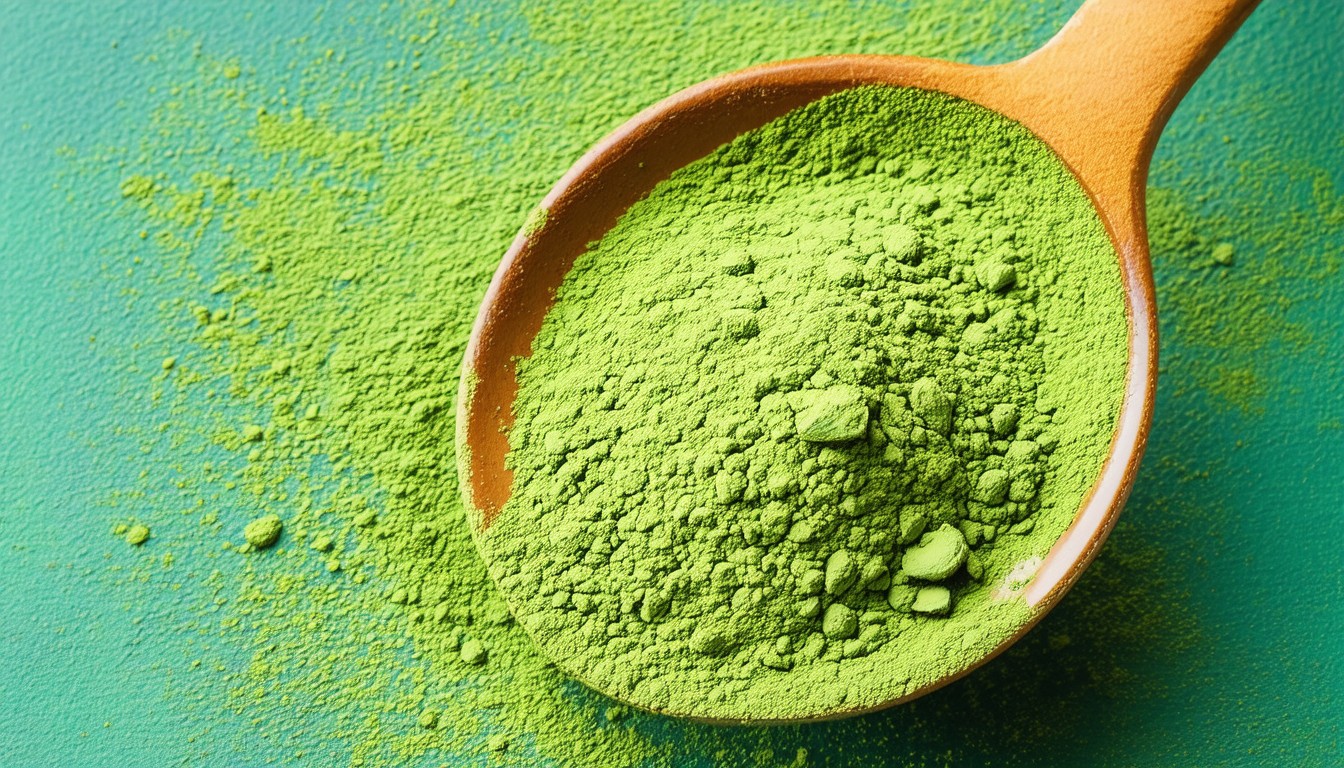
The vibrant green color signals high levels of chlorophyll and freshness, both indicators of quality. Fresher, well-grown matcha typically tastes sweeter and less bitter than duller, yellowish-green powders.
Does all matcha taste the same?
No, matcha flavor varies considerably depending on the origin, grade, and preparation method. Each batch can offer a slightly different profile, even within a single brand.