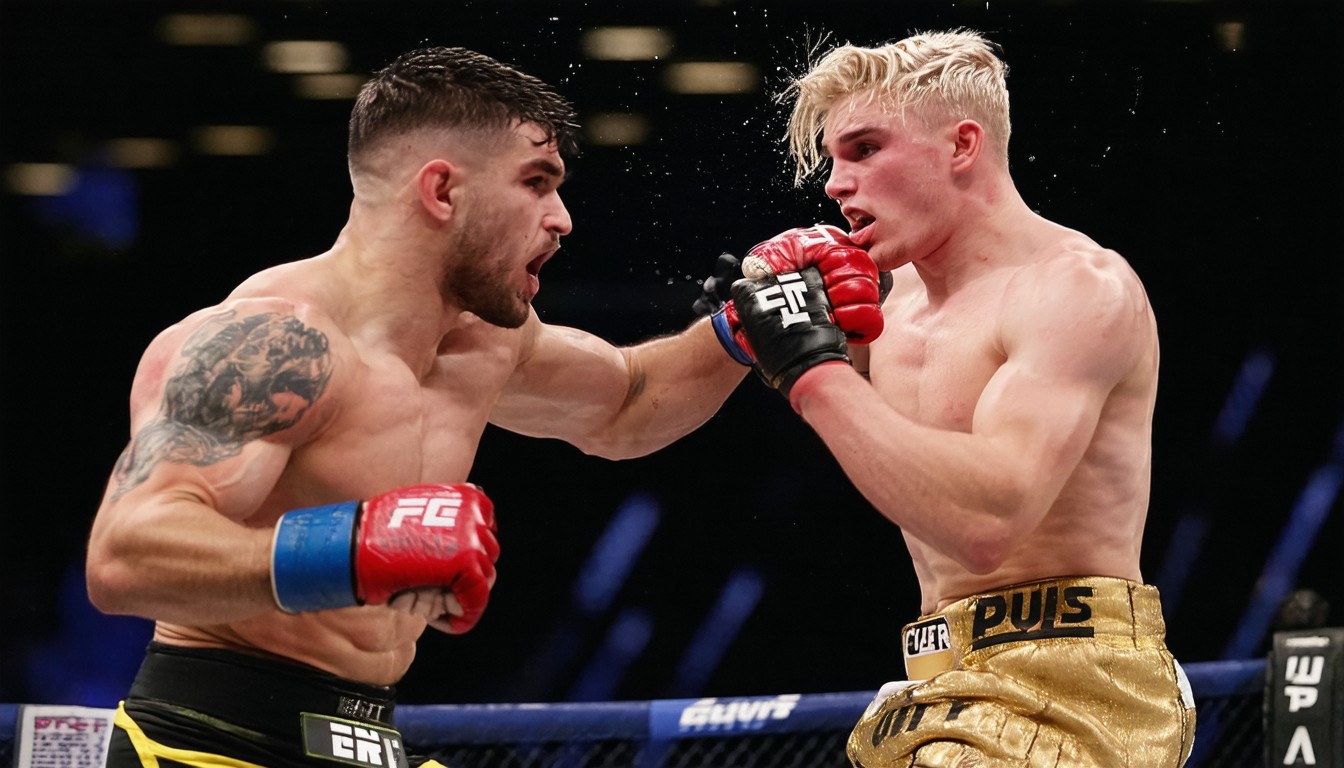
The Tommy Fury vs Jake Paul bout represented a collision of two distinct boxing worlds: traditional pedigree and crossover spectacle. Tommy Fury, the younger half-brother of heavyweight champion Tyson Fury, entered the ring carrying the expectations of the boxing establishment. In contrast, Jake Paul—YouTuber-turned-fighter—embodied the disruptive, influencer-fueled wave challenging long-standing norms in the sport. Anticipation for the fight built steadily, as both men engaged in a war of words across social media and press conferences, blurring the lines between sporting competition and entertainment event.
Promoters capitalized on this dichotomy. The match was staged as much for streaming audiences and headline-chasing as it was for purists seeking clarity on Paul’s actual boxing merit. The event drew considerable pay-per-view traffic, leveraging the global reach of Paul’s digital persona and Fury’s family name. Ticket sales and viral callouts provided more evidence that boxing’s landscape is shifting—no longer the exclusive realm of lifelong professionals, but increasingly intersected by content creators and personalities.
Styles, Strengths, and Tactical Expectations
Tommy Fury: The Prospect with Pedigree
Tommy Fury brought an orthodox stance, notable reach, and classic fundamentals honed from a young age. Although early in his professional journey, his amateur background and technical foundation were widely regarded as advantages over Paul’s more improvisational style. Throughout previous fights, Fury displayed solid jab work, quick foot movement, and the athleticism expected from a fighter raised in a boxing family.
His main question mark, however, was experience against higher-tier opposition. Prior to facing Paul, Fury logged wins over lesser-known journeymen, leaving uncertainty about how he’d perform under the bright lights of a global event with genuine consequences for his career trajectory.
Jake Paul: The Influencer Evolution
Jake Paul, on the other hand, entered as a disruptor. Initially dismissed as a novelty, Paul’s dedication to training and willingness to face credible opponents surprised many observers. His style favored explosive right hands, calculated aggression, and an unorthodox sense of timing—reflecting the unique fusion of raw athleticism and social-media fueled bravado.
Boxing commentator and former world champion Sergio Mora observed:
“Jake Paul’s greatest asset isn’t just power—it’s his self-belief and willingness to embrace risk in the ring. There’s no blueprint for handling a fighter who refuses to recognize boundaries.”
Paul’s prior victories over names from the MMA and entertainment spheres brought in numbers but fueled criticism over his lack of encounters with “real” boxers. Facing Fury offered Paul his first chance to silence doubters and reframe his legacy within the sport.
Fight Night: Highlights, Turning Points, and Technical Breakdown
Early Rounds: Feeling Out and Tactical Adjustments
As the opening bell rang, both fighters approached cautiously—each wary of the other’s power and unpredictable tactics. Fury used his jab to establish range, probing with double jabs and working lateral movement. Paul, keeping a high guard, searched for opportunities to uncork his looping overhand right.
Fans noticed Fury dictating the pace in the early going, landing more consistent combinations. His footwork allowed him to evade Paul’s heavier shots, while clinching effectively when pressed inside. Still, Paul’s threat level remained high; he landed several conservative but notable counterpunches that kept Fury alert.
Middle Rounds: Momentum Swings and Adjustments
As the rounds progressed, momentum began to swing. Paul’s pressure increased, and he grew more comfortable cutting off the ring and targeting Fury’s body. Significant exchanges occurred in the fourth and fifth rounds, as Paul’s punches began to find their mark and Fury had to adapt defensively.
Yet, Fury’s conditioning and fundamentals shone through. He weathered Paul’s offensives and responded with crisp combinations, banking rounds by staying busier and not allowing Paul prolonged offensive runs. Close observers noted a palpable tension: one clean punch from either man had the potential to alter the outcome dramatically.
Final Rounds: Decisive Moments
In the closing stretches, urgency drove both fighters. Fury continued to pump his jab and coordinate feints, maintaining an output that outpaced his opponent. Paul, undeterred, pressed forward looking for a dramatic finish, but struggled to land combinations with the same accuracy demonstrated earlier.
A notable moment arrived late—a sharp counter landed by Paul noticeably rattled Fury, enough to ignite a final flurry from both men. However, Fury recovered quickly and finished the fight controlling the tempo. The bout’s competitive balance was ultimately reflected on the judges’ scorecards.
The Winner, Official Decision, and Aftermath
Ultimately, Tommy Fury emerged victorious via a closely contested split decision. The scorecards reflected how evenly matched and hard-fought the contest was, with neither fighter truly dominating. Fury’s superior output, technical precision, and ring generalship—paired with his control of the majority of the rounds—tipped the result in his favor.
For Paul, the loss was a watershed moment—his first defeat as a professional boxer, but also validation of his willingness to seek out legitimate challenges. The fight’s aftermath prompted conversations about rematches, future opponents, and the evolving standard for crossover entertainment within boxing.
“Tommy Fury proved himself on the global stage, showing composure and boxing IQ against an opponent who forced him to dig deep,” remarked a prominent boxing analyst post-fight.
Beyond the ring, both athletes leveraged the exposure to expand their followings, with debates and memes circulating well beyond typical sporting circles. The business of boxing benefitted, too—demonstrating again that narrative and personality are now as crucial as technical skill in driving viewership and engagement.
Key Lessons and Future Implications
Redefining Boxing’s Boundaries
The Tommy Fury vs Jake Paul fight was more than a contest of styles—it was a test case for the sport’s future direction. The financial success of the event suggests a sustainable appetite for these hybrid matchups, especially among younger audiences. More importantly, by matching a reality TV personality and an internet celebrity, the fight bridged generational divides and drew new eyes to boxing’s traditional framework.
Next Steps for Both Fighters
For Fury, the win bolstered his resume and established credibility beyond his family legacy. He can now pursue higher-profile bouts and sponsorships, with increased leverage in negotiations. Paul, despite defeat, demonstrated grit and enough raw ability to justify continuing his boxing experiment—likely with tweaks to training, matchmaking, and tactical preparation.
As the influencer-boxer landscape continues to evolve, promoters and traditional fighters alike face a rapidly shifting playing field. Those who adapt can expect not only lucrative paydays but the chance to expand the sport’s cultural footprint well beyond its historic base.
Conclusion
The Tommy Fury vs Jake Paul confrontation was emblematic of a new era in boxing—one where traditional skills and digital charisma coexist on the sport’s biggest stages. The fight delivered competitive drama, commercial success, and lasting headlines. It also established both combatants as fixtures in the public consciousness, while sparking debate about what the future holds for a sport in rapid transformation. As matchmakers and fans look ahead, one thing is clear: the line between sportsmanship and spectacle has never been more electrifyingly blurred.
FAQs
Who won the Tommy Fury vs Jake Paul fight?
Tommy Fury won the bout via split decision after a closely contested fight, showcasing his technical boxing skills.
Was this Jake Paul’s first loss as a professional boxer?
Yes, the fight marked Jake Paul’s first official defeat in his pro boxing career, bringing an end to his previous undefeated streak.
How did Tommy Fury’s background help in the match?
Fury’s upbringing in a boxing family and his technical fundamentals gave him an edge in ring generalship and ability to outbox Paul over several rounds.
Why was this fight significant for boxing?
The match drew massive pay-per-view numbers and highlighted the growing impact of digital influencers in mainstream sports, bridging audiences between traditional boxing fans and new demographics.
Are there plans for a rematch between Tommy Fury and Jake Paul?
Following the fight, both camps expressed interest in a rematch, fueled by demand from fans and media, though official details remain pending.