Eggs are a kitchen staple found in nearly every household, prized for their versatility and nutritional value. But all too often, consumers wonder: how long are eggs actually good for? Misconceptions about egg shelf life and safety persist, despite modern refrigeration and best-before date labeling. Understanding egg storage, signs of spoilage, and real safety risks ensures both quality meals and peace of mind at home.
The Shelf Life of Eggs: What Determines Freshness?
Egg freshness hinges on several factors—processing date, storage method, and whether the eggs are raw or cooked. In the United States, eggs are typically washed and refrigerated soon after collection, which prolongs freshness but also removes the natural protective coating present on eggshells.
Raw Eggs: Storing in the Fridge
Kept continuously refrigerated, raw eggs in their shells usually remain fresh for 3–5 weeks past the “sell by” (or pack) date, according to the U.S. Department of Agriculture (USDA). In practice, many eggs remain safe for even longer, but quality—meaning yolk firmness and white clarity—tends to decline gradually. The refrigerator temperature should be maintained at 40°F (4°C) or lower for optimum preservation.
Cooked Eggs and Processed Products
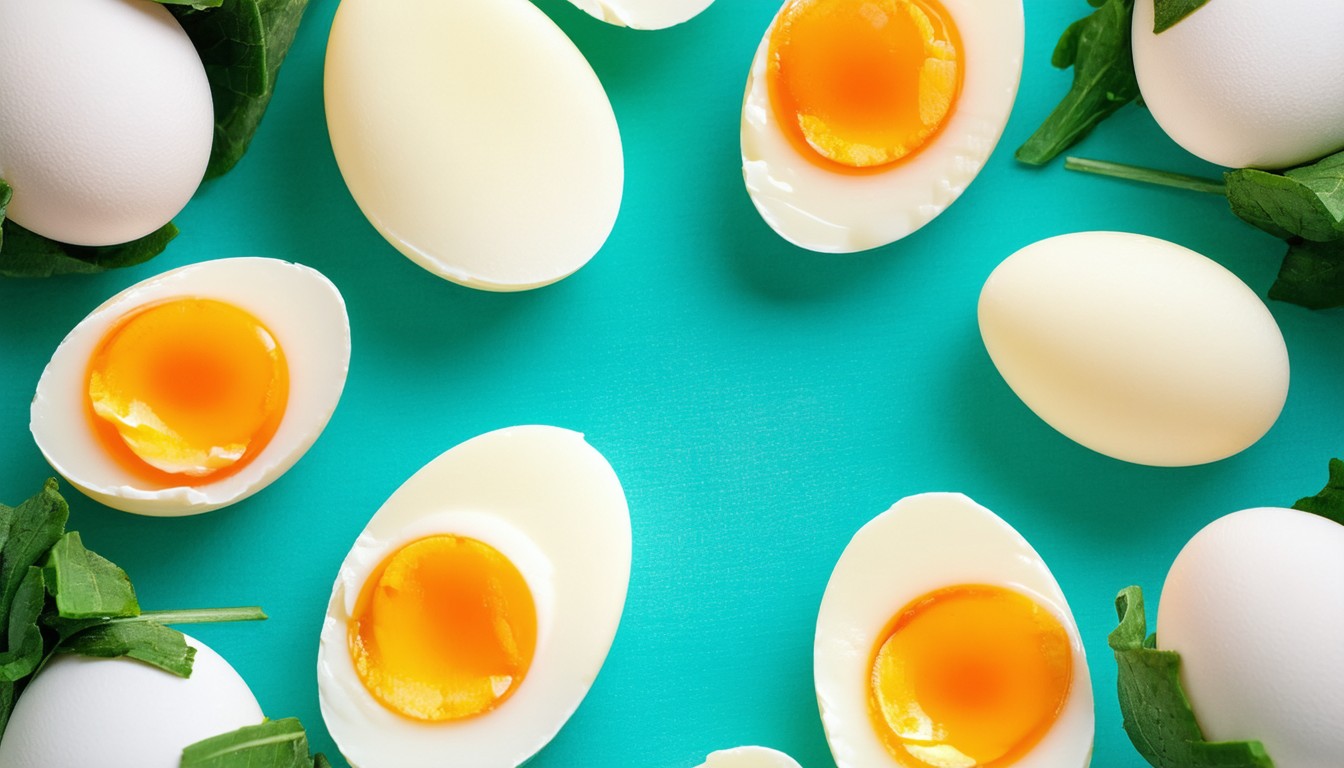
Hard-boiled eggs, on the other hand, have a shorter shelf life—about one week after cooking—since the boiling process removes their protective coating and makes them more susceptible to bacteria. Processed egg products (such as liquid eggs or egg-containing baked goods) should always be consumed by the manufacturer’s printed date.
Storage Trends and Food Waste
Awareness of food waste has grown in recent years, with eggs playing a notable role due to their ubiquity. Households often discard eggs prematurely due to confusion over date labeling. According to food safety experts, understanding the difference between “sell by,” “best by,” and “expiration” dates is critical to reducing unnecessary waste without compromising safety.
“Eggs kept consistently refrigerated rarely pose a food safety risk within three to five weeks past their pack date. Visual and sensory checks—along with the float test—are your best tools at home,” says Dr. Mary Allen, a food safety educator.
Signs of Spoilage: Assessing Egg Quality at Home
Deciphering whether an egg is still good involves a combination of sensory checks and, in some cases, a simple water-based test.
Visual and Smell Inspection
- Shell appearance: Discard eggs with cracked or slimy shells.
- Odor: A sour or sulfurous smell when the egg is cracked open is a strong indication the egg is spoiled.
- Egg white/yolk condition: Runny or discolored whites and yolks that have an unusual appearance signal spoilage.
The Classic Float Test
A time-tested method, the float test helps gauge egg age:
- Fill a bowl with cold water.
- Gently place the egg in the water.
- Sinks and lies flat: Very fresh.
- Sinks, but stands upright: Still good, but best used soon.
- Floats: Old, should be discarded.
This occurs because as eggs age, their contents shrink and air enters, increasing buoyancy.
Optimal Egg Storage: Best Practices for Maximum Freshness
Proper storage can dramatically extend an egg’s usable life.
Refrigeration Essentials
Eggs should always be stored in their original carton, in the main body of the refrigerator rather than the door. The carton prevents moisture loss and blocks odors from other foods. In contrast, storing eggs in the door—where temperature fluctuates with frequent opening—can lead to faster spoilage.
Washing and the Protective Cuticle
In many countries outside the U.S., eggs are not washed and can be stored at room temperature for several weeks due to their natural cuticle. Washing removes this barrier, making refrigeration essential in nations that wash eggs. Most authorities, including the USDA, strongly recommend refrigeration in the U.S. to inhibit bacterial growth.
Freezing for Extended Storage
Raw eggs (out of the shell) and cooked egg dishes can be frozen for longer storage, though this may affect texture. Freeze eggs only after beating yolks and whites together; freezing in the shell can cause cracking.
Egg Safety: Recognizing Real Risks and Food Standards
The main safety risk with eggs is Salmonella, a bacterium that can occasionally be found on shells or inside eggs. However, the incidence rate of contaminated eggs is extremely low in countries with strict food safety protocols. Proper refrigeration and thorough cooking all but eliminate this risk.
Date Labeling: What Do They Mean?
- Sell by: Date retailers should sell eggs by; not a direct freshness or safety cutoff.
- Best by/use by: Indicate ideal quality, but eggs may remain safe several weeks beyond.
- Expiration: The last date the eggs are considered safe under typical conditions.
In practice, refrigeration and inspection matter much more than the date stamp.
Real-World Insights: How Consumers and Chefs Evaluate Eggs
Professional kitchens often use hundreds of eggs daily and rely on their experience, sensory evaluation, and the float test as much as date codes.
For example, a popular bakery may crack open dozens of eggs at a time, instantly discarding any that look, smell, or behave off. At home, home cooks who understand simple evaluation methods are less likely to waste eggs unnecessarily, which is important for both sustainability and cost-control.
Safe Use of Older Eggs: When Is It Still Okay?
While the ultimate test is still a combination of visual inspection, smell, and the float test, there are some practical guidelines:
- Older eggs (approaching 3–5 weeks in the fridge) are best used in baked dishes or cooked thoroughly (as in quiches).
- Fresh eggs are preferable for poaching and frying, where appearance and structure matter most.
Eggs that pass these checks—and remain odorless and intact—pose minimal risk when handled properly.
Key Takeaways and Final Thoughts
Egg shelf life isn’t just a matter of printed dates; it results from careful handling, proper storage, and informed judgment. By relying on effective storage methods, routine quality checks, and a sound understanding of food safety practices, consumers can safely extend the usability of eggs and reduce unnecessary waste.
Knowing how long eggs are good for means taking a proactive approach—using sensory checks alongside date guides, and storing eggs with care. This not only protects family health but also helps ensure that fewer perfectly good eggs end up in the trash.
FAQs
How can I tell if eggs have gone bad?
The best indicators are smell, visual appearance (looking for cracks, slime, or unusual color), and the float test in water. If an egg smells off or floats in water, it should be discarded.
Is it safe to eat eggs past the expiration date?
Many eggs are still safe to eat several weeks past their labeled date when stored in the fridge, as long as they pass sensory checks and the float test. Always prioritize freshness cues over printed dates.
Can I freeze eggs to extend their shelf life?
Yes, eggs can be frozen, but they should be cracked open and mixed before freezing. Freezing in the shell is not recommended, as it can cause eggshells to crack and yolks to become gummy.
What is the float test and how does it work?
The float test involves placing an egg in a bowl of cold water. Fresh eggs sink and lie flat; older eggs may stand upright or float, which indicates more air inside and decreased freshness.
Why are eggs in some countries stored at room temperature?
In many countries, eggs aren’t washed and still have their protective cuticle, which allows for safe room temperature storage. Washed eggs, like those in the U.S., must be refrigerated due to the loss of this protective coating.
Are hard-boiled eggs safe for as long as raw eggs?
No, hard-boiled eggs have a shorter shelf life, lasting about one week in the fridge after cooking, since the boiling process removes the outer protective layer and increases the chance of spoilage.