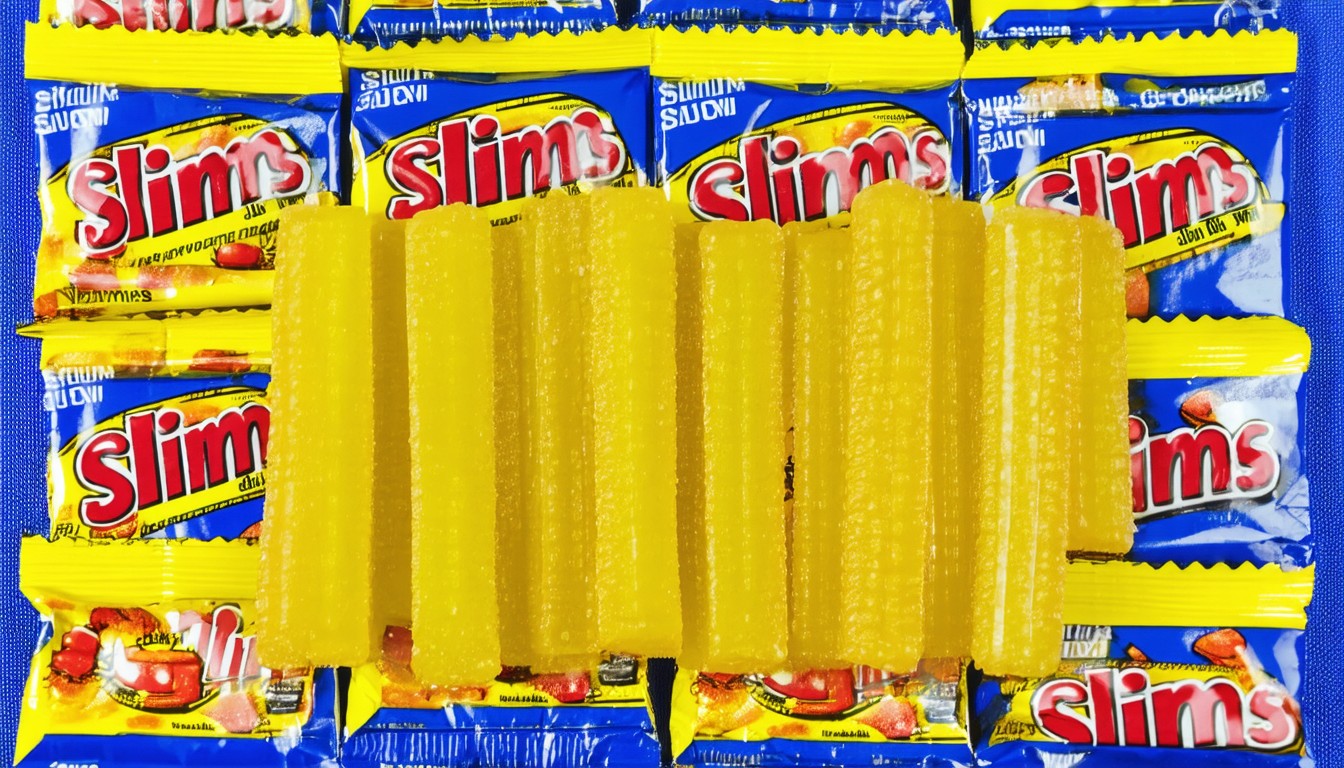
Are Slim Jims safe to eat during pregnancy? Discover the risks, expert opinions, and smart precautions about eating meat snacks like Slim Jims when pregnant. Learn what actually happens if you eat Slim Jims while pregnant.
Understanding Pregnancy Nutrition and Food Safety
Pregnancy is a time of heightened awareness about food choices, nutrition, and safety. Expectant mothers are inundated with lists of foods to avoid and recommendations to follow. Among the snacks that often prompt questions: shelf-stable meat sticks like Slim Jims. Their popularity stems from convenience and flavor, but are they a good choice during pregnancy? The answer requires a closer look at ingredients, food safety concerns, and maternal health.
Convenience foods, particularly cured meats, present unique risks for pregnant women. The Centers for Disease Control and Prevention (CDC) and the American College of Obstetricians and Gynecologists (ACOG) regularly stress food safety, since pregnancy brings changes to the immune system that can increase vulnerability to foodborne illnesses. Understanding what happens if you eat Slim Jims while pregnant hinges on these intersecting areas of nutrition, microbiological safety, and additives.
What’s in a Slim Jim? Ingredients and Additives
The core components of Slim Jims and similar meat sticks include beef, pork, mechanically separated chicken, salt, spices, corn syrup, and preservatives like sodium nitrite. Many of these ingredients are common in processed meat products, but several have implications for pregnant consumers.
Key Additives: Sodium Nitrite and MSG
Sodium nitrite acts as a preservative, inhibiting bacterial growth and contributing to the characteristic cured meat flavor. While generally recognized as safe at regulated levels, nitrites can convert into potentially harmful compounds called nitrosamines under high heat conditions. These compounds have been studied for links to cancer risk, but research related specifically to pregnancy outcomes remains inconclusive.
In addition to nitrites, flavor enhancers such as monosodium glutamate (MSG) are present. While not definitively harmful, MSG sensitivity varies between individuals, and some pregnant people report headaches or discomfort after large doses.
Salt and Saturated Fat Content
One Slim Jim contains a significant amount of sodium—often half, or more, of the daily recommended intake in just a few sticks. Consuming excess salt during pregnancy raises concerns about high blood pressure, edema, and exacerbation of preeclampsia risk.
“Processed meats like Slim Jims are high in sodium and preservatives, which should be consumed in moderation, especially in pregnancy,” says Dr. Emily R. Smith, a registered dietitian specializing in maternal health. “Pregnant individuals are more susceptible to foodborne pathogens, so careful consideration is warranted.”
Primary Risks: Foodborne Illness, Additives, and Preservatives
The greatest concern with eating Slim Jims while pregnant is the theoretical risk of listeria or other foodborne bacteria. Although Slim Jims are shelf-stable and undergo processes designed to prevent contamination, no processed food is completely risk-free. Listeria monocytogenes, a bacterium that can cause serious illness in unborn babies, can survive in some ready-to-eat meat environments.
Listeria and Ready-to-Eat Meats
Listeria outbreaks are more commonly associated with deli meats and unpasteurized cheese, but any ready-to-eat meat carries some risk. Listeria infection during pregnancy can result in miscarriage, premature birth, or serious health problems for the newborn. That said, major brands like Slim Jim employ rigorous food safety protocols, and actual reported cases from shelf-stable meat snacks are exceedingly rare.
Nitrates and Potential Pregnancy Complications
Processed meats commonly contain sodium nitrite or similar preservatives. While the existing scientific evidence does not confirm a direct link between moderate nitrite intake and adverse pregnancy outcomes, some studies suggest high consumption may contribute to complications. Limiting consumption of processed meats is often recommended as a precaution.
What Happens If You Eat Slim Jims While Pregnant?
For most people, eating a Slim Jim while pregnant will not cause obvious immediate harm. The likelihood of serious foodborne illness from eating a commercially manufactured, unopened Slim Jim is low. However, potential downsides to regular consumption include increased sodium intake, exposure to food additives, and a lack of meaningful nutritional benefits compared to whole foods.
Occasional Consumption vs. Habitual Snacking
A single Slim Jim occasionally is unlikely to impact pregnancy outcomes for most healthy individuals. Problems are more likely if processed meats become a staple, crowding out more nutrient-dense proteins like lean meats, beans, or eggs. Over time, excessive sodium and preservative exposure may contribute to undesirable health patterns.
Maternal Health and Cravings
Pregnancy cravings are real, and sometimes savory, salty snacks offer quick satisfaction. However, they should not replace a balanced, protein-rich, low-sodium diet. Those with pre-existing high blood pressure or a history of pregnancy complications should take extra care to limit processed foods, including Slim Jims.
Practical Recommendations: Precautions for Expectant Mothers
Pregnant people craving a Slim Jim can take several precautions to minimize risk:
- Check the expiration date: Never eat expired or damaged packages, as shelf-stable does not mean indefinite safety.
- Limit intake: Enjoy Slim Jims as an occasional treat, not a daily snack.
- Balance your diet: Prioritize whole foods for daily protein, iron, and other essential nutrients.
- Stay hydrated: Processed snacks are salty, so offset sodium with plenty of fluids.
Consult a Healthcare Professional
Always discuss dietary concerns with a healthcare provider, particularly if there are complicating factors like gestational hypertension, preeclampsia, or other special risk profiles. Registered dietitians and OB-GYNs can provide nuanced, individualized recommendations.
Real-World Perspective: Snack Foods and Pregnancy Trends
The popularity of on-the-go snack foods in U.S. markets has increased over the past decades, reflecting busy lifestyles and changing eating habits. Pregnant consumers are not immune to these trends, but food safety during pregnancy has prompted many brands to introduce lower-sodium or preservative-free versions of their products. Some brands have responded to consumer demand by reformulating snacks with cleaner labels and fewer additives.
Anecdotal evidence suggests pregnant people often crave high-protein, salty snacks, especially in the second trimester. However, large health organizations continue to prioritize fresh, minimally processed options in dietary guidance for pregnancy, citing overall health outcomes for both mother and child.
Summary: Weighing Risks and Rewards
In summary, eating Slim Jims while pregnant is unlikely to cause immediate harm if done occasionally and with an awareness of food safety practices. Still, processed meats bring certain risks—mainly due to sodium, nitrate preservatives, and the small chance of bacterial contamination. The main takeaway: balance is key, and better-for-you options should be front and center during pregnancy.
FAQs
Can you eat Slim Jims in early pregnancy?
Eating a Slim Jim early in pregnancy is not likely to cause direct harm, but processed meats are best enjoyed occasionally. Focus on whole, nutrient-rich foods to support early fetal development.
Is there a risk of listeria from Slim Jims?
The risk is low because Slim Jims are made to be shelf-stable and safe at room temperature. Still, as with all processed meats, there is a very small chance of contamination; always check packaging for integrity and expiration.
Are the preservatives in Slim Jims safe during pregnancy?
Preservatives like sodium nitrite are considered safe at regulated levels, but frequent consumption isn’t recommended during pregnancy due to possible links with health concerns when consumed excessively.
Should pregnant women avoid Slim Jims completely?
Avoidance is not strictly necessary for most people, but limiting intake is wise, especially for those with hypertension or a high-risk pregnancy. Occasional snacking is generally considered safe.
What are healthier alternatives to Slim Jims for pregnant women?
Opt for lean, cooked meats, hard-boiled eggs, nut butter, or hummus with vegetables to get protein without excessive salt and preservatives. These snacks offer more nutritional value for both mother and baby.